
Choosing the Right Season for Exterior Painting
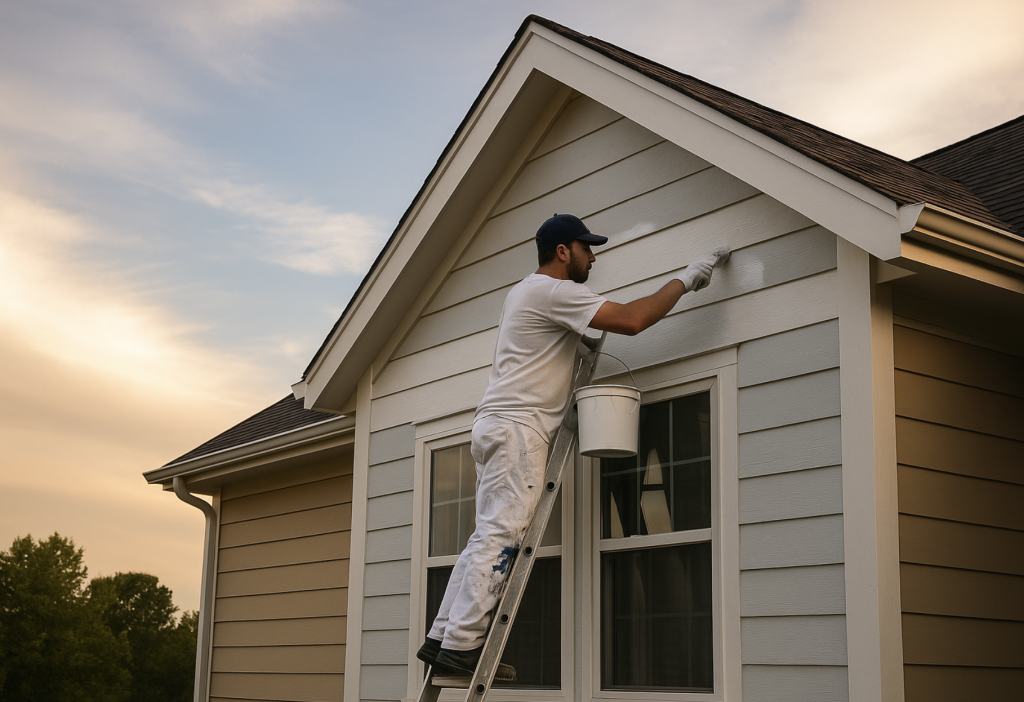
Repainting your home’s exterior is a project that requires not only the right products and preparation but also the right timing. Weather conditions, temperature, and sunlight all play an essential role in how well the paint adheres and how long it lasts. Choosing the right season for exterior painting ensures a smooth application and a finish that stands the test of time.
Temperature Matters
Temperature is one of the most important factors in successful exterior painting. Most manufacturers recommend working in moderate conditions, typically between 50–85°F (10–29°C), with many professionals pointing to around 65°F as the sweet spot. Within this range, paint adheres properly, cures at the right pace, and forms a strong, durable finish.
When temperatures fall below the recommended level, paint may not dry or cure as intended. This can leave it vulnerable to cracking, peeling, or even washing away in unexpected rain. Cold weather also thickens paint, making application more difficult and requiring additional effort to achieve smooth coverage. On the other hand, excessive heat can cause paint to dry too quickly, preventing it from bonding correctly with the surface. This often leads to visible brush marks, uneven sheen, and a weaker protective layer.
Humidity and temperature shifts must also be taken into account. For example, a warm day followed by a sudden evening drop below 50°F can disrupt the curing process, even if conditions seemed perfect at the start. Similarly, hot surfaces, such as siding exposed to direct sun, can cause premature drying before the paint levels out. That’s why it’s often best to paint in the shade, in the early morning, or later in the afternoon, when temperatures are steady.
Finally, always consult the manufacturer’s directions printed on the paint can. Modern exterior paints are sometimes engineered to handle more extreme conditions, including application at lower temperatures down to 35°F, but this applies only if specifically stated on the product. Choosing the right paint and applying it under the recommended temperature conditions ensures the coating lasts longer, looks better, and protects your home effectively.
Sunlight, Shade, and Seasonal Considerations
When planning an exterior paint job, both sunlight and seasonal conditions play a critical role in achieving long-lasting results. Direct sunlight can cause paint to dry too quickly, which may lead to streaks, lap marks, or uneven coverage. For best results, work on the shaded side of the house and move with the sun’s position during the day. Cloudy skies can actually provide ideal conditions, as they allow paint to dry evenly without exposure to excessive heat.
Seasonality also matters. Spring often provides mild temperatures and extended daylight, making it a popular choice, though rainfall may cause delays. Summer offers consistently warm weather, but high heat and direct sun can make application more difficult, so mornings and evenings are generally better times to work. Many professionals consider fall the best season for exterior painting, as it usually brings cooler temperatures, lower humidity, and stable weather patterns. Winter is unsuitable in most regions due to freezing conditions, unless you use products specifically formulated for low temperatures (down to about 35°F, as indicated on certain paint labels).
Moisture and Rain
Moisture is one of the biggest threats to successful painting outside. Avoid painting right before or after rainfall, and ensure surfaces are completely dry. Humidity should also be taken into account, as excessive moisture in the air can extend drying times and compromise adhesion.
The right season for exterior painting depends on striking a balance between temperature, sunlight, and humidity. For most homeowners, spring and fall offer the most reliable conditions, but the key is to follow the manufacturer’s directions and adapt to your local climate. By carefully planning around weather conditions, you can achieve a flawless finish and extend the life of your home’s exterior.