
How Often Should You Repaint the Interior Walls of Your Home?
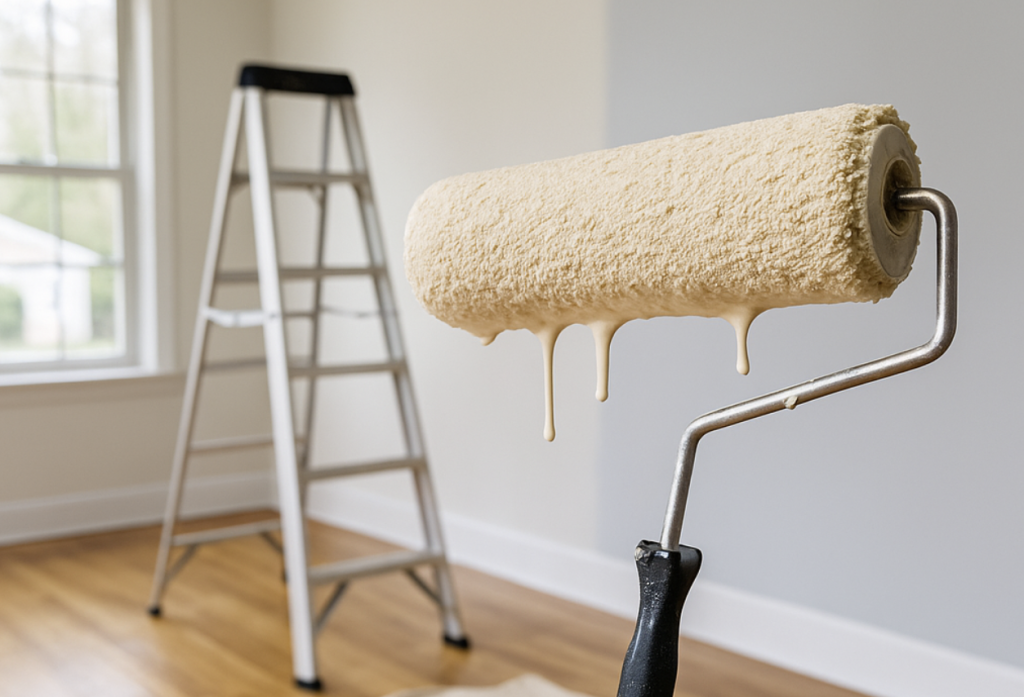
A fresh coat of paint can completely transform the look and feel of a room, but many homeowners wonder how often wall painting should be done. The answer depends on several factors including room usage, paint quality, and style preferences. Knowing when it’s time to refresh with interior wall painting ensures your home always looks clean and inviting.
General Timeline for Repainting
There is no single rule, but most experts recommend refreshing inside wall paint every 5 to 10 years. Certain rooms may need it sooner due to heavier use, while others can go much longer.
- Living rooms and dining rooms: Every 5–7 years.
- Bedrooms: Every 7–10 years, though kids’ rooms may need updates more often.
- Kitchens and bathrooms: Every 3–4 years because of humidity, stains, and frequent cleaning.
- Hallways and corridors: Every 2–4 years due to constant contact and scuffs.
Factors That Influence Frequency
Several elements determine how often you need to refresh your walls with wall painting or a new layer of interior wall painting. Paying attention to these factors will help you plan ahead and keep your home looking polished without repainting too soon or waiting until walls look neglected.
Room Usage
The way a room is used plays a huge role in how long inside wall paint will last. High-traffic areas like hallways, entryways, kitchens, and bathrooms are exposed to constant wear — from fingerprints and stains to humidity and cleaning. These spaces often need repainting every few years. In contrast, guest bedrooms, home offices, or dining rooms may maintain their finish for up to a decade because they see less daily activity.
Paint Quality
Not all paints perform the same. Premium paints contain higher-quality pigments and resins, which makes them more durable, easier to clean, and longer-lasting. Investing in better paint products during your interior wall painting project may extend the repainting cycle by several years, ultimately saving money and effort over time.
Color Choice
The color you select affects how soon walls may need attention. Bold, dark, or trendy shades tend to show scratches, fading, and imperfections more quickly than neutral tones. A deep navy or rich red may look stunning at first but could require earlier repainting to maintain a fresh appearance, whereas softer neutrals can hide minor blemishes and remain stylish longer.
Finish and Sheen
The finish of the paint also determines durability. Glossy, semi-gloss, and satin finishes are more resistant to cleaning and better suited for kitchens, bathrooms, and children’s rooms. Matte or flat finishes, while elegant and modern, are less forgiving and may show marks or stains more easily, meaning more frequent wall painting touch-ups might be necessary.
Style and Design Updates
Sometimes, the decision to repaint isn’t about wear at all — it’s about aesthetics. Interior design trends evolve, and personal preferences change. Choosing a new shade of inside wall paint can instantly modernize a room, brighten a space, or create a new mood. Even if the walls are in good condition, repainting for style updates is a simple and impactful way to refresh your home.
Why Regular Repainting Matters
Regular repainting plays an important role in maintaining both the look and longevity of your home. Fresh paint keeps rooms vibrant and inviting, preventing the dull and faded appearance that naturally develops over time. Beyond aesthetics, paint also protects interior surfaces by acting as a barrier against everyday wear, moisture, and minor damage. A well-executed wall painting project can also boost property value, as clean and updated walls make a strong impression on visitors and potential buyers. Finally, modern low-VOC paints contribute to healthier indoor air quality, supporting a safer and more comfortable living environment.
Most homes benefit from interior wall painting every 5–10 years, with high-use areas needing attention sooner. Whether it’s to maintain a polished look or to experiment with a new style, updating your inside wall paint is one of the easiest, most cost-effective ways to improve your home.