
How to Paint Your Garage Floor: Complete Guide
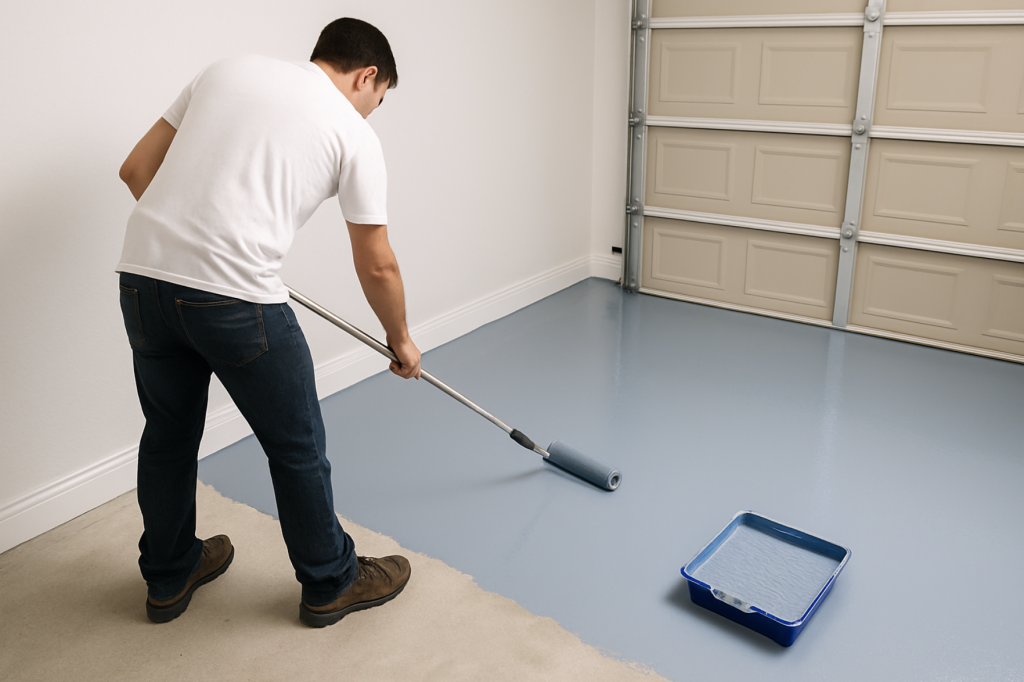
Painting a garage floor isn’t just about looks—it’s about protecting concrete, reducing dust, and making the space easier to clean. Whether you’re planning a full garage makeover or just want a functional upgrade, learning how to paint a garage floor the right way ensures a smoother process and better results. Here’s a complete guide that covers every key step in garage floor painting, from preparation to maintenance.
Step 1: Cleaning and Degreasing the Garage Floor
The first—and arguably most important—step in garage floor painting is cleaning. Concrete is porous and tends to hold onto oil, grease, and dirt. If these contaminants aren’t removed, paint won’t adhere properly. Begin by sweeping thoroughly to remove dust and loose debris. Next, apply a degreaser to stained or oily areas. Degreasing the garage floor with a stiff-bristle brush lifts contaminants from the surface. Rinse well and let the floor dry completely. Degreasing a garage floor may seem tedious, but skipping this step is the fastest route to peeling and uneven coverage.
Step 2: Repairing Cracks and Surface Imperfections
After cleaning, inspect the floor for cracks, chips, or surface wear. These flaws can lead to poor paint adhesion or visible defects in the final finish. Use a concrete repair compound to fill cracks or holes. Smooth the patched areas with a putty knife and sand them once dry for a flush surface. Repairing floor cracks before painting helps prevent moisture intrusion and gives your finish a more uniform appearance.
Step 3: Applying the Appropriate Primer for Concrete Surfaces
Priming is often overlooked but essential. A floor primer for concrete improves paint bonding and helps seal porous surfaces. Choose a primer designed specifically for garage floor applications. Apply using a roller with an extension pole, working in small sections for even coverage. Make sure to follow drying times carefully—most primers need 4 to 8 hours to cure, depending on the product and conditions. Well-primed concrete creates a solid foundation for a durable finish.
Step 4: Choosing and Applying the Right Floor Paint or Epoxy
When it comes to painting garage floors, you’ll typically choose between standard concrete floor paint and epoxy floor coating. Epoxy offers greater durability, stain resistance, and a glossier finish—ideal for high-traffic garages. Floor paints, while more budget-friendly, can also perform well if applied properly. Consider using anti-slip floor paint or adding traction additives to improve safety, especially in garages exposed to moisture or spills.
Apply the coating with a roller in smooth, consistent strokes. Start from the back of the garage and work toward the door to avoid painting yourself into a corner. Allow the first coat to dry fully before applying a second coat, if needed. Always follow manufacturer instructions regarding mixing, application temperature, and drying times.
Step 5: Curing and Maintaining the Painted Garage Floor
Once the final coat is on, let the floor cure properly. Avoid foot traffic for at least 24 hours, and don’t park vehicles on the surface for at least 3–7 days. Full curing is key to ensuring a long-lasting, resilient surface. Once cured, regular maintenance is simple. Sweep or vacuum dust and debris often. Clean spills promptly with a mild cleaner. Avoid harsh chemicals that could damage the seal.
Sealing the garage floor with a topcoat may further enhance durability and make the surface easier to maintain. While not always necessary, it’s a worthwhile option for garages that endure heavy use.
Learning how to paint garage floor surfaces correctly can extend the life of your concrete and give the space a cleaner, more finished appearance. Each stage—from concrete floor preparation to selecting the right paint or epoxy—plays a role in how long your finish will last and how good it will look. Take your time with prep, use quality materials, and follow drying times carefully. With the right approach, garage floor painting turns a dull, dusty surface into a clean, sealed, and visually upgraded space.
Read