
Oil-Based vs. Water-Based Stains: What to Choose?
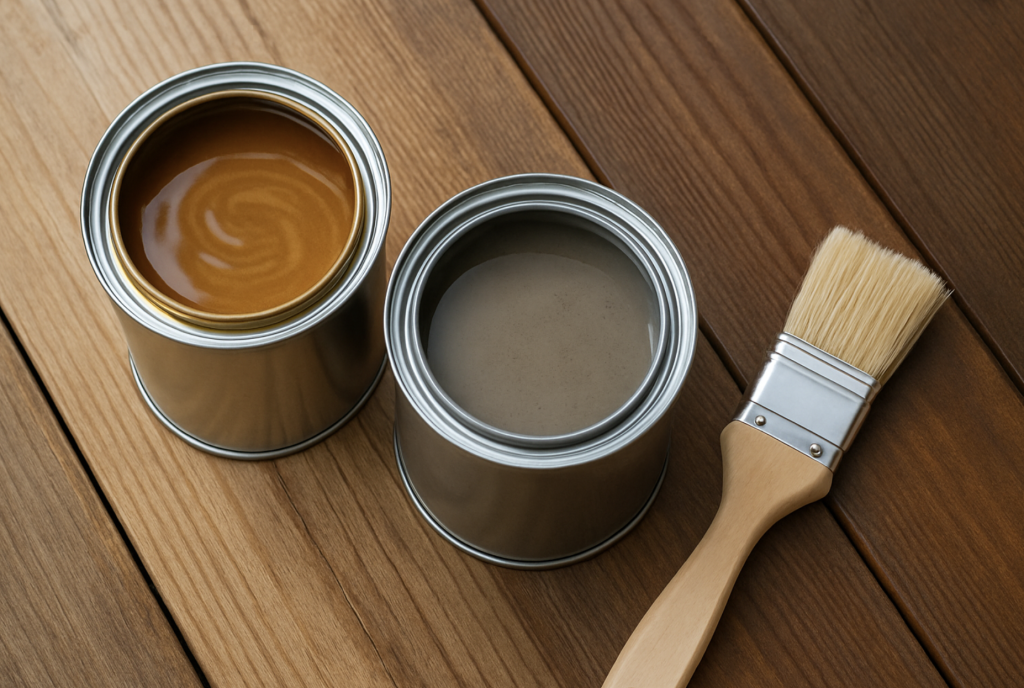
Choosing the right stain for your wood surfaces is an important decision that affects both appearance and durability. The two most common options are oil-based stains and water-based stains. Each has its strengths and weaknesses, and understanding the differences will help you make the best choice for your project. For homeowners, this decision is a key step in successful stain painting, as the chosen product determines both the look and the lifespan of the finish.
Oil-Based Stains
Oil-based stains have long been a traditional choice for protecting and enhancing wood surfaces. They are especially valued for their ability to penetrate deeply into the material and withstand outdoor conditions, making them a go-to option for decks, siding, and exterior projects.
Pros: Oil-based stains penetrate deeply into the wood, enhancing the natural grain. They also provide excellent durability outdoors and are well known for resisting peeling when applied correctly, making them especially useful for exterior projects.
Cons: At the same time, they have a noticeably longer drying time, produce stronger odors, and contain higher VOC levels. Over the years, they may fade rather than peel, which still affects the overall appearance of the surface.
Oil-based stains remain a reliable solution when long-term protection and deep penetration are priorities, though their slower drying process and environmental drawbacks should be considered before application.
Water-Based Stains
Water-based stains are a modern alternative that has become increasingly popular due to their eco-friendly composition and ease of use. They are designed to provide vibrant color, quick application, and a safer option for indoor projects where low odor and reduced VOC levels are important.
Pros: These stains dry much faster than oil-based products and allow for easy cleanup with just soap and water. They also offer better color retention over time, resist mildew growth, and produce lower odor with fewer VOC emissions, making them more environmentally friendly.
Cons: On the downside, water-based stains do not penetrate as deeply into the wood, which can affect their long-term durability. They are more prone to peeling if the surface is not prepared correctly and require careful application under proper weather conditions to perform well.
Overall, water-based stains are the right choice for homeowners who want a quick-drying, eco-conscious finish with long-lasting color, but they demand thorough preparation and correct application to avoid potential peeling issues.
Key Differences to Consider
When comparing oil-based and water-based stains, several important factors stand out. In terms of durability, oil-based stains perform exceptionally well outdoors, providing reliable protection against the elements, while water-based stains are often more effective indoors or on surfaces that have been properly prepared. Appearance also differs: oil-based stains highlight and deepen the natural grain of the wood, whereas water-based stains provide brighter shades with color that tends to last longer.
Maintenance is another key point — oil-based finishes gradually fade and can be reapplied with relative ease, while water-based finishes may be more prone to peeling, though they typically retain their color for a longer period. These differences show that the best choice depends on your priorities, whether you prefer rich grain with outdoor durability or the convenience of easy cleanup and long-term color performance.
When deciding between oil-based and water-based stains, there is no universal answer — the right choice depends on your project’s location, your tolerance for maintenance, and the look you want to achieve. By weighing durability, application needs, and color performance, you can select the stain that offers the best results for your home.