
Preparing Your Home for Exterior Painting: Checklist
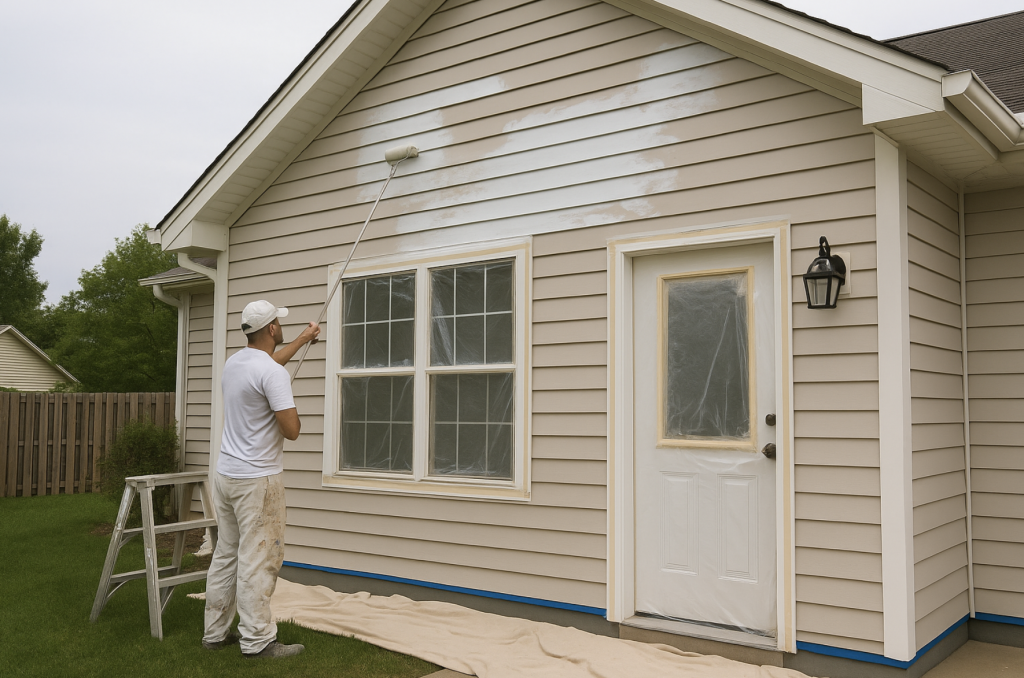
A great exterior paint job starts long before the first brushstroke. Proper preparation ensures better paint adhesion, a smoother finish, and longer-lasting results. Whether you’re doing the work yourself or hiring professionals, preparing your home correctly makes a major difference. This checklist outlines every essential step to get your home ready for exterior painting the right way.
1. Washing and Cleaning Exterior Walls
Over time, dirt, mildew, mold, and chalky residue build up on your home’s exterior surfaces. Painting over this grime traps it under the paint and leads to peeling, bubbling, and discoloration. That’s why thorough cleaning is the first critical step.
Use a garden hose, a pressure washer (on a gentle setting), or a long-handled scrub brush with soapy water. Focus on areas with visible staining or buildup. For mildew-prone areas, consider adding a small amount of bleach to the mix. Rinse well and allow walls to dry fully before proceeding. Clean surfaces ensure paint bonds properly and lasts longer.
2. Repairing Damaged Siding or Trim
Before painting begins, inspect all siding, trim, soffits, and fascia boards for signs of damage. Look for rot, cracks, warping, or gaps that need sealing. Even small imperfections can lead to moisture intrusion and undermine your paint job.
Use exterior-grade filler or wood putty to patch holes and gouges. Damaged boards may need to be replaced entirely. Re-caulk any seams or joints where caulking has failed or pulled away. Repairing these issues in advance creates a smooth, solid surface and helps extend the life of the new paint.
3. Removing Old, Flaking Paint
Peeling or flaking paint prevents new layers from adhering properly. If you paint over it, the fresh coat is likely to fail along with the old one. Scrape away all loose or damaged paint using a paint scraper, wire brush, or sander. Be thorough—just a few missed spots can ruin an otherwise solid finish.
For homes built before 1978, lead paint may be present. In these cases, safe removal methods following EPA guidelines are essential. After scraping, sand the edges of remaining paint to feather the surface and avoid visible transitions. Removing old paint takes effort but is crucial to long-term success.
4. Protecting Landscaping and Outdoor Fixtures
Exterior painting is messy by nature, and paint drips, overspray, and cleaning chemicals can damage nearby plants, furniture, and fixtures. Protect these areas before work begins.
Cover shrubs, flowerbeds, and grass near the house with breathable drop cloths or lightweight plastic sheeting. Avoid trapping heat or moisture around delicate plants. Remove or cover outdoor furniture, grills, light fixtures, and anything else close to the painting area. Tape off windows, doors, hardware, and anything that shouldn’t be painted. Taking the time to protect these elements prevents accidents and cleanup headaches.
5. Priming Surfaces for Optimal Paint Adhesion
Priming is one of the most important—and most often skipped—steps in exterior painting. Primer acts as a bridge between the bare surface and the topcoat. It helps paint adhere, improves coverage, and enhances durability, especially on porous or repaired areas.
Use a quality exterior primer suited for your surface type—wood, stucco, masonry, or metal. Apply it evenly to all bare spots, patched areas, and any sections where you removed old paint. Some surfaces may require a full prime coat, while others may only need spot-priming. Allow the primer to dry fully before applying paint. This step ensures your finish looks uniform and stays intact over time.
Final Checklist Before Painting:
- Walls are thoroughly washed and dry
- All cracks, holes, and gaps have been repaired
- Flaking paint has been fully removed
- Plants, fixtures, and surfaces are protected
- Bare and patched areas have been properly primed
Good preparation is the backbone of a quality exterior painting project. Rushing or skipping steps can lead to early failure, wasted time, and unnecessary expenses. By washing surfaces, repairing damage, removing loose paint, protecting surroundings, and applying primer, you’re setting the stage for a smooth application and a durable, professional-looking finish. Treat each step with care, and your home’s exterior will look better—and last longer.
Read
Why Property Managers Should Hire an On-Call Handyman