
Top 5 Mistakes to Avoid When Painting Baseboards
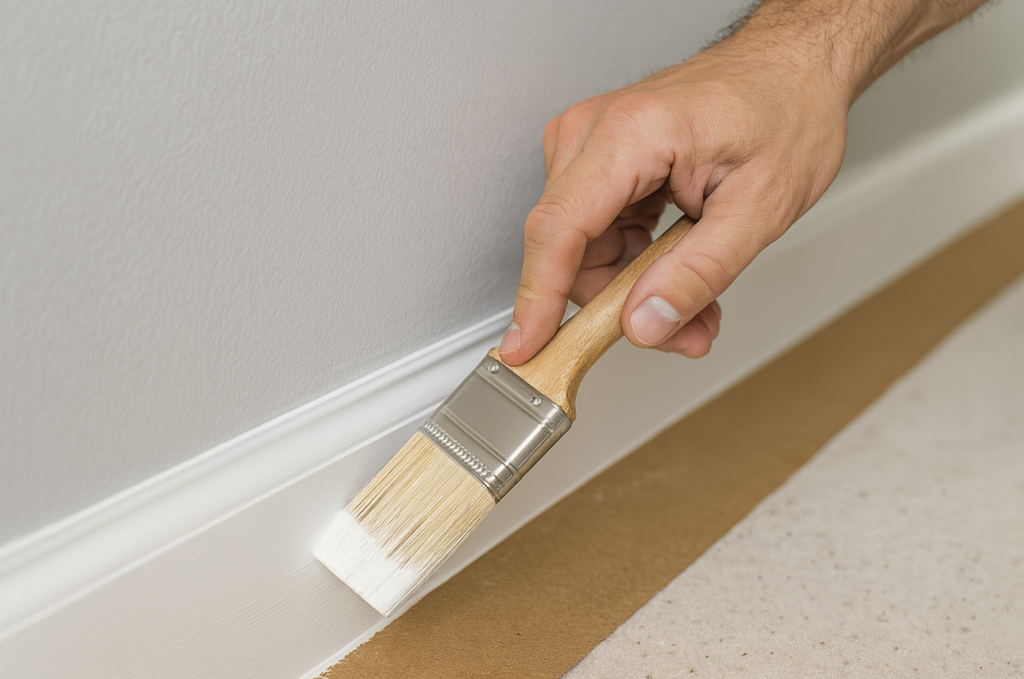
Painting baseboards might appear to be one of the simpler finishing touches in any room, but underestimating the process can lead to frustrating results and unnecessary rework. Whether you’re aiming for a clean, modern look or simply refreshing aged trim, avoiding common pitfalls is key to achieving a professional-grade finish. From preparation to execution, each step matters more than most homeowners realize.
1. Skipping Surface Cleaning and Prep Work
Neglecting to properly clean and prepare baseboards is perhaps the most overlooked error. Dust, pet hair, oil, and residue from cleaning products can prevent paint from adhering properly, causing early peeling or an uneven texture. Before you even consider opening a paint can, take time to thoroughly vacuum and wipe the baseboards with a damp cloth and mild detergent. Once dry, inspect the surface for imperfections. Filling nail holes, sanding rough patches, and removing old caulk lines are essential parts of prep. Those wondering how to clean baseboards before painting should treat the process as a critical first step, not a formality. Well-prepared surfaces hold paint better and deliver a longer-lasting, more polished result.
2. Using the Wrong Type of Paint or Finish
Not all paint is created equal—especially when it comes to trim and baseboards. Many people make the mistake of using leftover wall paint or a flat finish, which lacks the durability required for areas that frequently come into contact with feet, furniture, and cleaning tools. The best option for baseboards is typically a semi-gloss or satin finish, both of which provide a hard, washable surface that resists scuff marks and dirt. Choosing the wrong finish will not only reduce the lifespan of your work but can also make the trim appear dull or patchy. Paint formulated specifically for trim ensures better coverage, durability, and visual appeal over time.
3. Neglecting to Tape Off Adjoining Surfaces
Even steady hands can’t replace proper masking. Taping off adjacent walls, flooring, and other surfaces is a step that should never be skipped if clean lines matter—which they always do. Learning how to tape baseboards for painting involves more than just slapping on painter’s tape; the tape should be aligned carefully, firmly pressed down to prevent paint bleed, and removed at the right time—usually before the paint fully dries. Poor taping baseboards can lead to messy edges, uneven lines, and more time spent fixing mistakes than painting. Masking not only protects your surroundings but also allows you to focus entirely on the quality of the paint application.
4. Rushing the Drying Process Between Coats
Impatience can undo even the best paint job. When the first coat hasn’t fully dried, applying a second coat can result in smearing, bubbling, and a tacky finish that traps dust and imperfections. Each coat of paint needs adequate drying time to set properly, and that means following the manufacturer’s guidelines rather than rushing to the next step. Rushing leads to visible brush strokes, paint drips, and other texture inconsistencies. In baseboard painting, allowing the paint to cure fully between coats is critical for a smooth, even finish that holds up over time.
5. Applying Paint Unevenly or Using the Wrong Brush
The brush you choose can make or break your baseboard project. Using wide or stiff brushes increases the risk of sloppiness, while smaller, angled brushes offer greater control, especially along edges and corners. Inexperienced painters often overload brushes or press too hard, which results in streaks, paint drips, or blotchy finishes. The key to avoiding uneven paint lines is to use a quality angled sash brush, apply thin coats, and use steady, continuous strokes. Mastering your brush technique is just as important as choosing the right tools.
Painting baseboards is all about preparation, precision, and patience. From understanding how to prep baseboards for painting to using the correct finish and taping methods, attention to detail makes all the difference. Avoiding these five common mistakes will not only improve your results but also reduce frustration and touch-ups in the future. A beautifully painted baseboard frames a room with elegance—don’t let preventable errors stand in the way.
Read