
Interior Painting Color Trends: What Homeowners Are Choosing Today
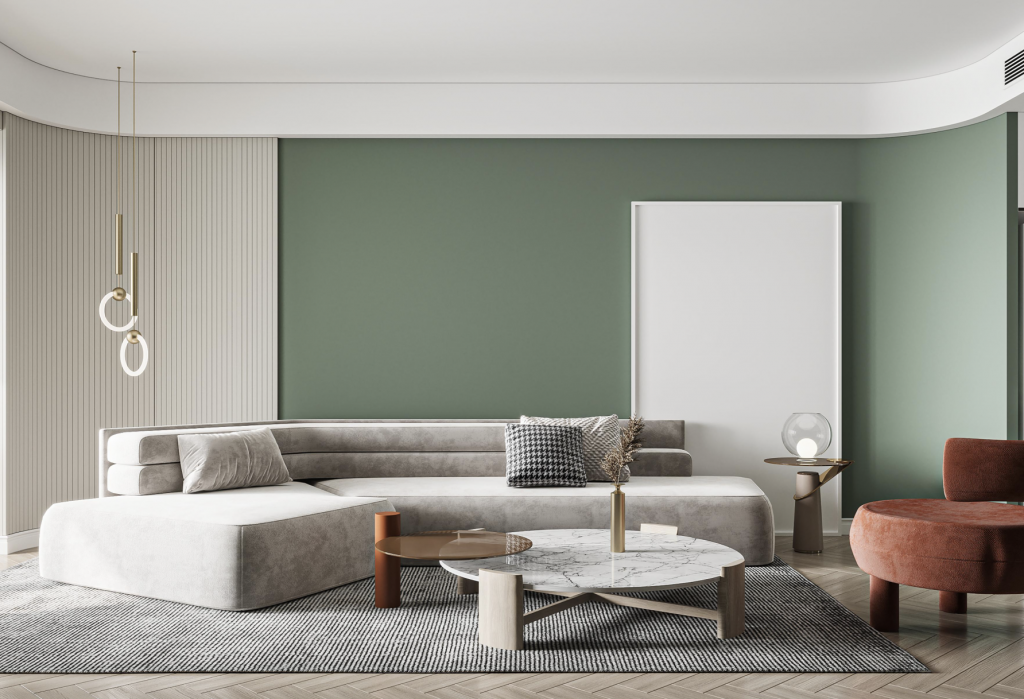
Interior painting remains one of the most effective ways to refresh a home, update its style, and increase property appeal. While neutral colors have dominated residential interiors for many years, current interior painting projects show subtle shifts in homeowner preferences. Professionals working in residential repainting and renovation projects report that while classic tones still lead the market, new color trends are gradually appearing in modern homes.
Why Interior Painting Trends Matter
Interior painting trends often reflect broader design movements. Homeowners today are looking for spaces that feel comfortable, modern, and visually balanced. The color palette chosen for walls, ceilings, and trim plays a major role in how a room feels.
Interior painting is not only about aesthetics. It also affects lighting, perceived room size, and how well furniture and décor integrate into the space. Because of this, many homeowners carefully choose colors that combine practicality with style.
White Still Dominates Interior Painting
For many years, white has been the most requested color in interior painting projects. Many homes feature white walls, white ceilings, and white trim throughout the property. This approach remains popular because it offers several advantages:
- White makes rooms appear larger and brighter
- It works with almost any furniture or décor style
- It provides a clean, modern appearance
- It helps homes appeal to future buyers
In some interior painting projects, homeowners even use multiple shades of white within the same house. Slight variations between wall colors, trim paint, and ceiling paint create subtle contrast while maintaining a unified neutral look.
However, bright white interiors are slowly evolving into warmer variations.
Warm Whites and Cream Colors Are Growing
Instead of stark white walls, many interior painting projects now feature softer tones such as warm whites, cream shades, and ivory colors. These options create a similar neutral look but feel more comfortable and less sterile.
Warm neutrals are especially popular in:
- Living rooms
- Bedrooms
- Kitchens with wood cabinetry
- Homes designed with natural materials
Interior painting with warm whites allows homeowners to maintain a neutral palette while adding warmth and depth to the space.
Gray Is Slowly Fading
Gray interiors were extremely popular for many years, especially in modern and minimalist homes. Cool gray walls were considered stylish and versatile.
Today, interior painting professionals are seeing less demand for these cooler gray tones. Many homeowners are moving away from cold palettes and replacing them with warmer colors and natural shades.
This change reflects a broader design trend toward comfort and organic design elements.
Natural Greens Are Becoming Popular
One of the most noticeable shifts in interior painting projects is the increasing popularity of green tones. Sage green, muted forest green, and dusty green shades are appearing more frequently in residential interiors.
Green is often used in:
- Accent walls
- Bedrooms
- Home offices
- Built-in cabinets and shelving
These colors create a calm atmosphere and pair well with wood textures, stone surfaces, and other natural materials.
Earthy Tones and Organic Color Palettes
Interior painting trends are also shifting toward earthy colors that feel natural and grounded. Instead of purely neutral interiors, many homeowners are introducing subtle natural shades.
Common choices include:
- Beige and warm taupe
- Clay and terracotta tones
- Soft olive greens
- Dusty blue-green shades
- Deep bronze accents
These colors help create interiors that feel warmer and more inviting while still maintaining a balanced design.
Accent Walls Remain Popular
Many homeowners want to add color without committing to bold tones across an entire home. Interior painting often solves this with accent walls.
Accent walls allow stronger colors to be used in a controlled way. They are commonly placed in:
- Living rooms
- Bedrooms
- Dining areas
- Behind fireplaces or shelving
Deep blues, dark greens, and dramatic neutral shades are often chosen for these focal points.
A New Trend: Color Drenching
Another interior painting technique gaining attention is called “color drenching.” In this approach, the same color is applied to walls, trim, and ceilings within a room.
This technique creates a bold and immersive effect, often using deeper tones such as:
- Dark green
- Navy blue
- Charcoal
- Jewel tones
Although the style is gaining popularity, many homeowners still prefer more traditional interior painting approaches that combine neutral walls with selective color accents.
The Future of Interior Painting Colors
Interior painting trends show that neutral colors are not disappearing, but they are evolving. Warm whites, natural greens, and earthy tones are slowly replacing colder palettes.
Instead of completely white homes or entirely bold interiors, the current direction focuses on balance. Neutral foundations combined with natural colors and occasional accent walls create spaces that feel both modern and comfortable.
As interior design continues to evolve, interior painting will remain one of the easiest and most impactful ways to transform a home.
Read
What to Know Before Repainting Your Home
Interior Painting a Whole House: Best Practices for Long-Lasting Results