
Interior Wall Paint and Texture: How Texture Affects a Modern Interior
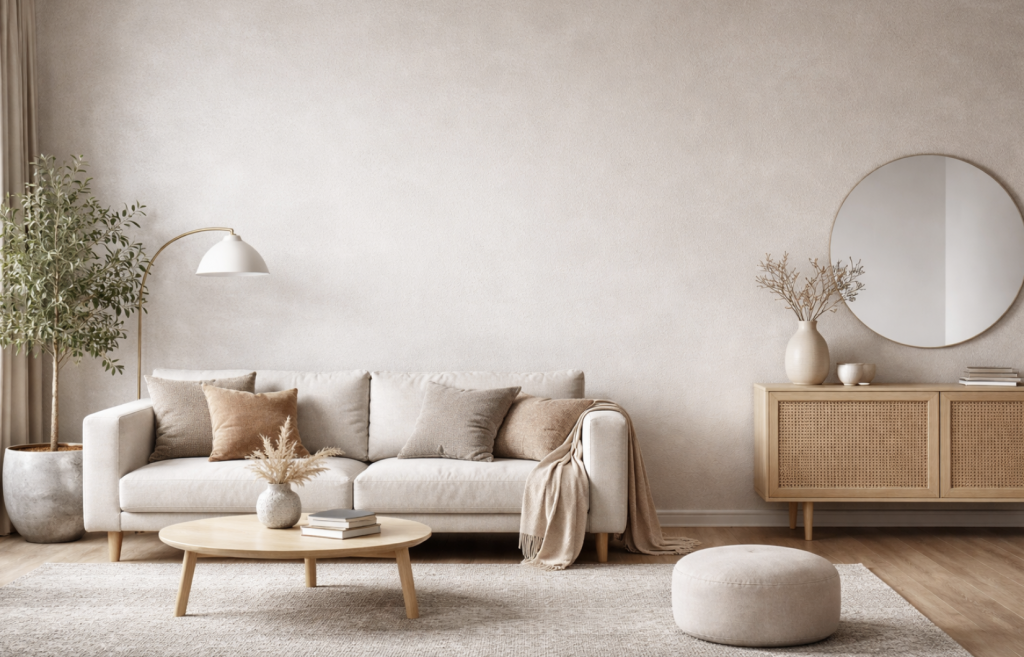
Wall texture has a direct impact on how modern or dated an interior feels. Even with high-quality paint, an outdated or inconsistent texture can prevent a space from looking clean and contemporary. Before repainting interior walls, it is important to understand whether the issue lies in color, surface condition, or the texture itself.
In many interiors, textured walls were originally applied to hide drywall imperfections or speed up construction. While practical, these textures often conflict with modern design trends, which favor cleaner lines and more uniform surfaces.
When Repainting Alone Is Enough
If the existing texture is even, consistent, and visually calm, repainting may be sufficient to refresh the space. Neutral colors with soft undertones tend to modernize interiors without drawing attention to the wall surface. In these cases, the texture remains a background element rather than a focal point.
A proper roller nap selection plays a key role in achieving uniform coverage. Thicker naps help distribute paint evenly over textured surfaces, while thinner naps can exaggerate inconsistencies. Multiple coats are often required to maintain consistent sheen across the wall.
Why Painting Over Texture Often Fails
Paint does not hide texture—it emphasizes it. When paint dries, light reflects differently across high and low points of a textured surface. As a result, uneven areas become more noticeable, especially with satin or semi-gloss finishes.
Inconsistent texture can also cause blotchy sheen, where certain areas appear darker or glossier than others. This is a common issue in older interiors where walls have been patched or repainted multiple times.
Skim Coating as a Modernization Solution
For interiors aiming for a clean, contemporary look, skim coating is the most effective solution. This technique involves leveling the wall surface with joint compound to reduce or fully eliminate texture.
Skim-coated walls provide a flat, refined appearance that works well with modern color palettes, accent lighting, and architectural details. While more labor-intensive than repainting, the visual improvement is substantial and long-lasting.
Alternative: Controlled Decorative Texture
In some interiors, replacing one texture with another may be preferable to full smoothing. Subtle decorative finishes can add depth without overwhelming the space. Light, controlled textures work best when paired with modern colors and proper lighting.
Decorative textures require consistency across the entire wall to avoid looking accidental or dated. Uneven application can make a space feel unfinished rather than intentionally designed.
Primer and Paint Considerations
Textured or skim-coated walls require proper priming before painting. Primer helps unify porosity and ensures even sheen in the final coat. Without it, walls may appear patchy or inconsistent regardless of paint quality.
Interior walls intended for a modern finish typically benefit from:
- Low-sheen or eggshell finishes
- High-quality interior wall paints
- Consistent application across all surfaces
Modernizing interior walls is rarely just a paint decision. Texture plays an equally important role in how finished walls look and feel. Repainting can refresh a space when texture is already acceptable, but when texture is outdated or inconsistent, surface modification is necessary to achieve a truly modern interior.
A smooth or intentionally subtle wall texture allows paint color, lighting, and furnishings to define the space—rather than the wall surface itself.
Read
Easiest Way to Paint Baseboards (Step-by-Step Guide)
What Is the Best Way to Paint Interior Doors?