
Why LVP Is the Best Flooring Choice for Rental Properties
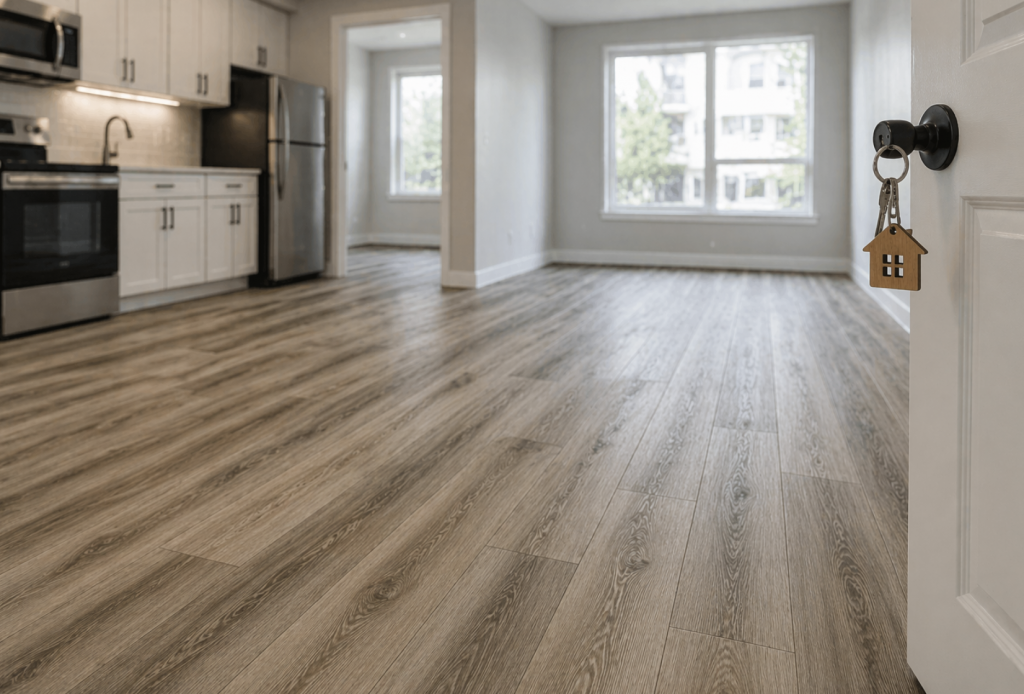
Challenges Landlords Face with Flooring
Rental properties place constant stress on flooring. Frequent tenant turnover, varying lifestyles, and inconsistent care often lead to accelerated wear and damage. Common issues include scratches from furniture, stains from spills, moisture exposure, and general deterioration over time.
Another challenge is the cost and time associated with repairs or full replacement between tenants. Flooring that requires frequent maintenance or replacement directly impacts profitability. For landlords, the goal is to find a solution that can handle heavy use while minimizing ongoing expenses and downtime.
Durability of LVP in Rental Use
LVP is specifically designed to withstand high-traffic environments, making it ideal for rental properties. Its wear layer protects against scratches, dents, and everyday damage caused by tenants, pets, and furniture movement.
Unlike traditional materials, LVP maintains its structure even under repeated stress. It does not easily crack or chip, and its flexibility allows it to absorb impact without visible damage. This durability significantly extends the lifespan of the flooring, reducing the need for frequent replacements.
Waterproof Advantage
One of the biggest risks in rental properties is water damage. Spills, leaks, and humidity can quickly ruin traditional flooring, especially carpet or laminate.
LVP offers a fully waterproof core, meaning it does not absorb moisture or warp over time. This makes it suitable for all areas of a rental unit, including kitchens, bathrooms, and entryways. Even in cases of minor flooding or accidental spills, LVP remains stable and easy to restore.
This level of protection reduces repair costs and prevents long-term structural issues.
Easy Maintenance and Turnover
Fast turnover between tenants is essential for maintaining rental income. Flooring plays a key role in how quickly a unit can be prepared for the next occupant.
LVP is easy to clean and maintain. Regular sweeping and occasional mopping are usually enough to keep it in good condition. Unlike carpet, it does not trap odors, stains, or allergens, which means less deep cleaning is required between tenants.
If damage does occur, individual planks can often be replaced without removing the entire floor. This simplifies repairs and reduces downtime, allowing landlords to re-list properties faster.
Cost Efficiency Over Time
While the initial cost of LVP may be higher than some budget flooring options, it offers better long-term value. Its durability reduces the frequency of replacements, and its resistance to damage lowers maintenance costs.
Over time, landlords save money by avoiding repeated carpet installations or repairs associated with moisture-sensitive materials. The combination of longevity and low upkeep makes LVP a cost-efficient investment for rental properties.
Tenant Appeal and Modern Look
Modern tenants expect clean, durable, and visually appealing interiors. LVP meets these expectations with a wide range of styles that replicate natural wood or stone finishes.
It enhances the overall appearance of a property, making it more attractive in listings and during showings. A well-maintained, modern floor can positively influence rental decisions and even justify higher rental rates.
Additionally, tenants often prefer hard flooring over carpet due to easier cleaning and improved hygiene, especially in shared or high-use spaces.
LVP vs Carpet in Rentals
When comparing LVP to carpet in rental properties, the differences are clear.
Carpet tends to wear out quickly, absorbs stains and odors, and often requires full replacement after each tenant. It also increases cleaning time and maintenance costs.
LVP, on the other hand, provides a more durable and hygienic solution. It resists stains, does not retain odors, and maintains its appearance over time. This makes it more practical for long-term use and reduces operational costs for landlords.
For most rental scenarios, LVP offers a stronger balance between durability, maintenance, and tenant satisfaction, making it the preferred flooring choice.
Read
Why Install Carpet on Stairs: Safety, Grip, and Noise Reduction
Best Carpet Options for Stairs in High-Traffic Homes